
NEWS · AI & Automation
AI Governance Platforms Are Becoming Core Enterprise Infrastructure
Large organizations are formalizing how AI systems are inventoried, evaluated, approved and monitored.

NEWS
Timely reporting on the technologies transforming industries worldwide.
Large organizations are formalizing how AI systems are inventoried, evaluated, approved and monitored.

Long-term support, parts availability and service design are changing how buyers assess value.
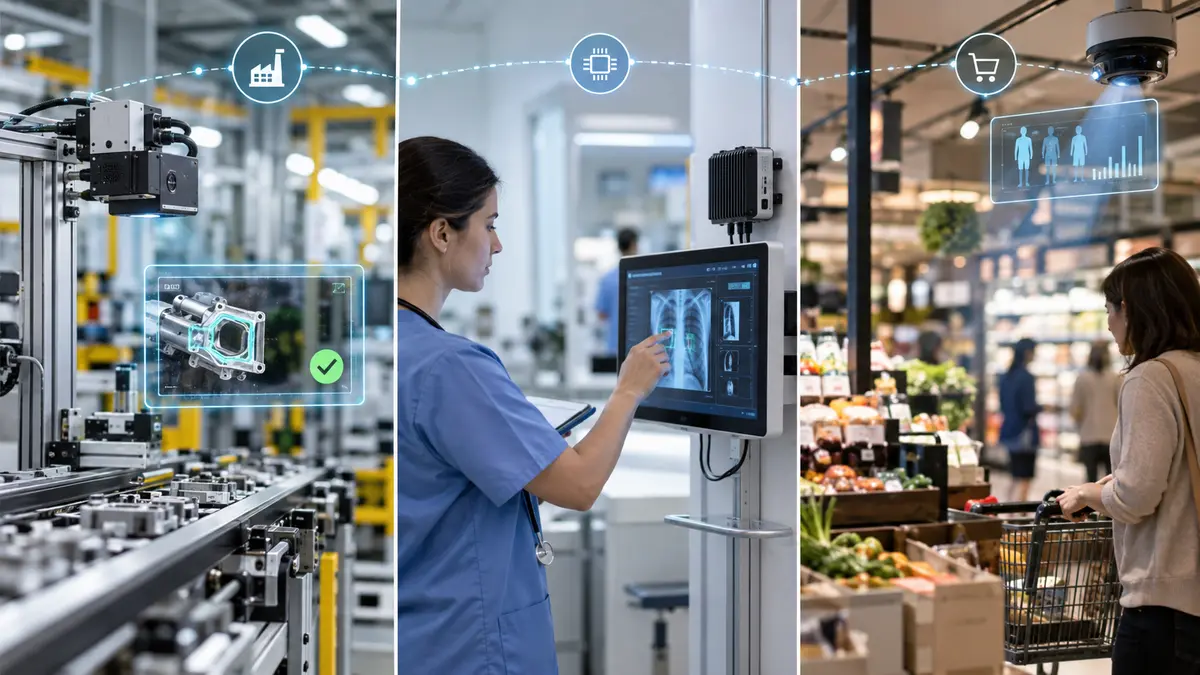
Organizations are placing more AI processing near equipment and users instead of relying exclusively on distant cloud services.

Computer makers are competing on useful performance per watt, not raw speed alone.

Instant account-to-account payments are becoming common infrastructure for consumers, businesses and governments.

More functions are moving from distant servers to the device in the user’s hand or home.

Financial institutions are investing in systems that connect regulatory obligations with operational controls and evidence.

Update commitments are becoming part of the product rather than an afterthought.
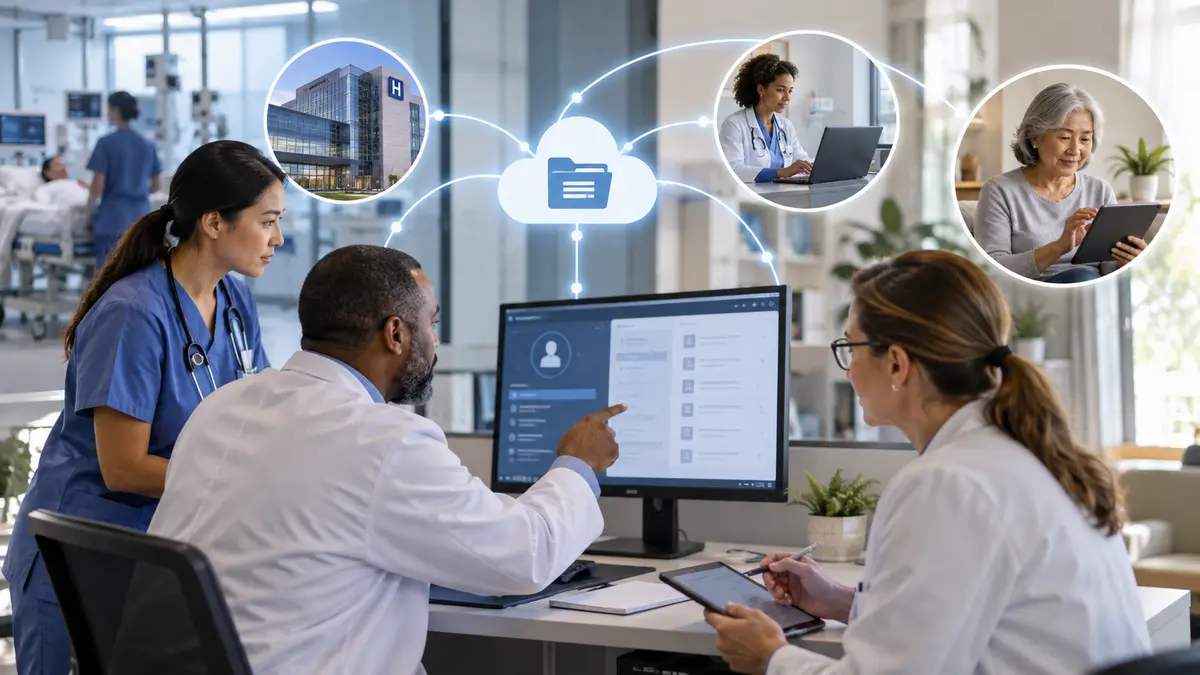
Healthcare organizations increasingly want new technology to exchange useful data without creating another isolated system.

The next usability challenge is not conversation—it is reliable action across tools and permissions.

Health systems are integrating home measurements into defined clinical workflows rather than treating devices as standalone projects.

Compact models are making private, responsive AI possible on more devices and specialized systems.

Owners need more consistent building information as energy reporting and performance requirements expand.

Reliable work without a continuous connection is becoming a meaningful product advantage again.

Investors and builders are focusing more closely on tools that improve coordination where construction work happens.

Teams are questioning overlapping tools, hidden usage limits and the cost of fragmented workflows.

Education and workforce platforms are making qualifications easier to verify and carry between systems.

Passwordless authentication can resist phishing, yet users still need understandable recovery options.

Institutions are redesigning assignments to make learning and authorship more visible.

Organizations increasingly depend on libraries, updates and service providers they do not directly control.

Organizations want to understand how AI features will affect usage charges, budgets and contract risk.

Safety, lifetime, materials and manufacturability increasingly shape the battery race.

Data residency, operational control and jurisdiction are influencing how organizations design cloud services.

Ground stations, debris tracking, standards and reliable launch operations underpin headline missions.