
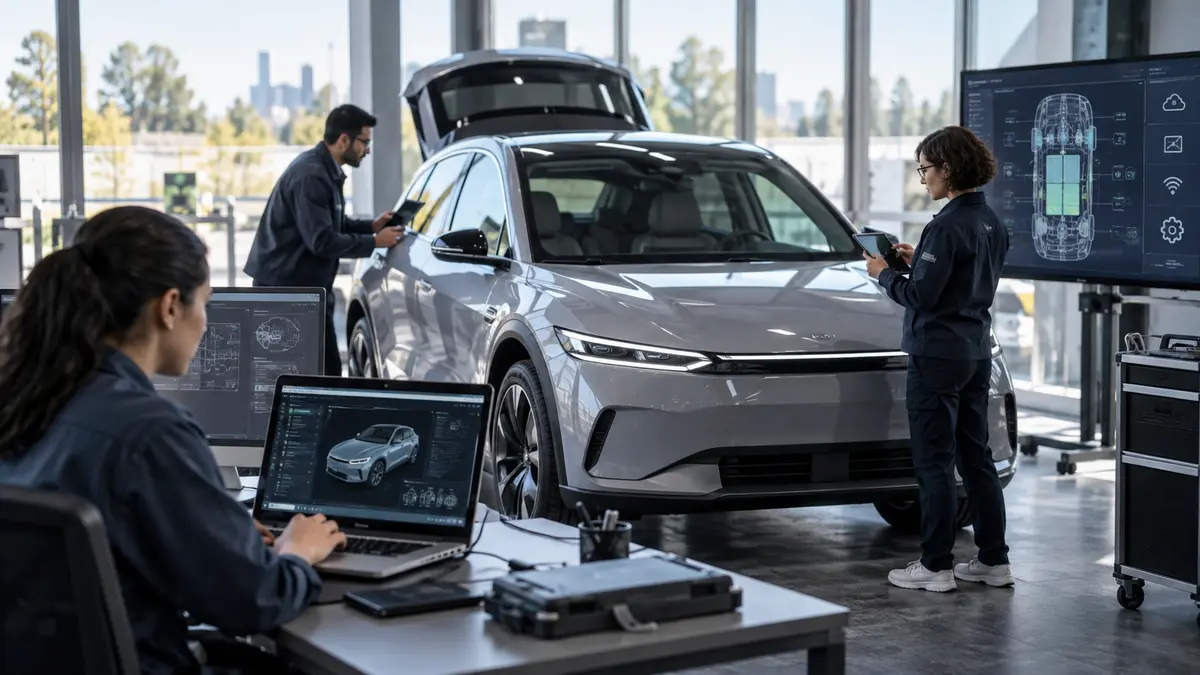
What vehicle software architecture changes for features, updates, maintenance and ownership.
Software is taking a larger role
Modern vehicles combine many electronic control units, sensors and networks. New architectures aim to centralize computing and make more functions configurable through software. This can support updates and diagnostics but also increases dependence on code quality and long-term support.
Updates need clear boundaries
Remote updates can fix problems or add functions, yet changes to safety-related systems require careful validation and communication. Owners should know what will change, whether an update can be delayed and how the vehicle recovers if installation fails.
Ownership questions are still developing
Subscriptions, data collection, repair access and feature availability can affect long-term value. Buyers should examine support commitments and offline behavior rather than assuming every connected feature will remain available throughout the vehicle’s life.