





Metal Injection Molding vs Casting: Which Manufacturing Method Wins?
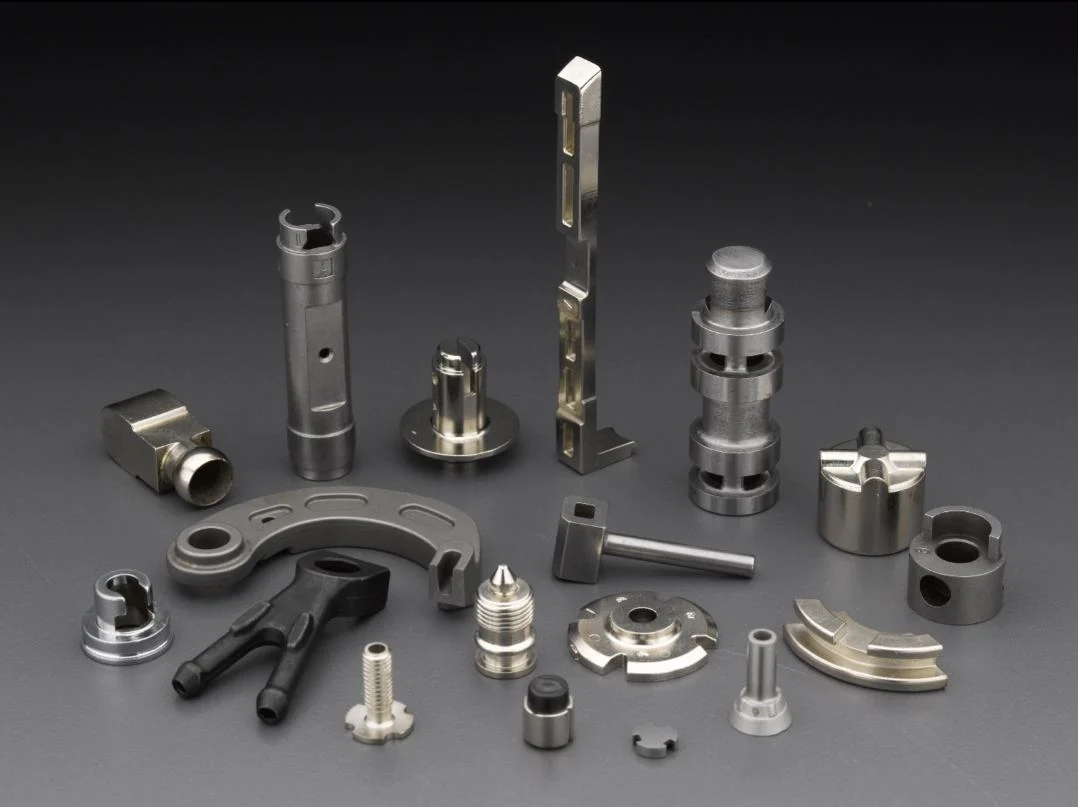
Metal injection molding has challenged traditional casting methods in the manufacturing sector, forcing engineers and procurement managers to reconsider their approach to producing complex metal components. Both processes shape molten or semi-molten material into desired forms, but the similarities largely end there. Understanding which method delivers better results requires looking past surface assumptions and examining the facts: cost structures, capabilities, limitations, and the specific demands of each application.
The Fundamental Differences
Casting pours molten metal directly into moulds, a technique humans have used for thousands of years. Investment casting, sand casting, and die casting represent variations on this ancient theme, each suited to particular part sizes and production volumes. The process handles large components well and works with virtually any metal that melts.
Metal injection moulding takes a different route entirely. Fine metal powders mix with plastic binders to create feedstock that gets injected into moulds under high pressure. The plastic burns away during debinding, and sintering fuses the metal particles into solid components. The MIM process emerged from powder metallurgy and plastic injection moulding technologies, creating a hybrid that serves a specific manufacturing niche.
Size and Complexity Considerations
Casting dominates when size matters. Sand casting produces components weighing several tonnes. Die casting handles parts from a few grammes to several kilogrammes. Investment casting manages intricate jewellery and turbine blades with equal facility. The upper size limits for these processes far exceed what metal injection molding can achieve.
Singapore’s Metal injection molding facilities typically produce parts weighing under 100 grammes, with most components falling between 0.2 and 50 grammes. This size constraint isn’t a weakness but a focus. The technology excels at small, complex parts where:
- Wall thicknesses range from 0.5 to 10 millimetres
- Internal features and undercuts prove difficult to machine
- Tolerances need to stay within plus or minus 0.3 to 0.5 per cent
- Production volumes justify tooling investments
- Material waste must remain minimal
Traditional casting struggles with these smaller scales. The processes often require secondary machining to achieve tight tolerances, particularly for features like threaded holes, precise bore diameters, or critical mating surfaces. Each machining operation adds cost and time.
Material Properties and Performance
Cast parts carry their own set of characteristics. Porosity can create weak points in the structure. Shrinkage during cooling sometimes causes internal stresses. Surface finishes vary depending on the casting method, with investment casting producing the smoothest results. Heat treatment can improve properties, but the basic structure reflects the casting process.
The MIM technology produces parts with density reaching 95 to 99 per cent of wrought material. Mechanical properties match or exceed many cast equivalents. The fine powder particle size, typically 2 to 20 micrometres, creates uniform microstructures after sintering. Parts emerge with consistent properties throughout, not just on the surface.
Material selection differs between methods:
- Casting accommodates nearly any metal or alloy
- Metal injection moulding works best with stainless steels, tool steels, titanium alloys, and soft magnetic materials
- Exotic alloys and refractory metals suit both processes with appropriate modifications
- Cost considerations often drive material choices more than technical limitations
Economic Reality
Manufacturing economics reward different strategies depending on production volume. Casting moulds for sand casting cost relatively little, making the process viable for small runs. Investment casting requires more expensive patterns and ceramic shells. Die casting demands steel dies that represent substantial investments.
MIM manufacturing requires precision tooling comparable to plastic injection moulding. A single cavity mould might cost £10,000 to £50,000 depending on complexity. Multi-cavity moulds multiply these costs. The break-even point typically arrives somewhere between 1,000 and 10,000 parts annually, though the exact number depends on part geometry and alternative manufacturing costs.
Singapore’s Metal injection molding sector serves global markets where these volumes make sense. Medical devices, consumer electronics, automotive sensors, and telecommunications equipment all require thousands or millions of identical precision components. The city-state’s infrastructure, from precision toolmakers to quality assurance laboratories, supports efficient production at these scales.
Production Speed and Lead Times
Casting cycle times vary enormously. Sand casting might produce dozens of parts daily. High-pressure die casting runs cycles measured in seconds. Investment casting requires days for shell building and cooling. Secondary operations add time regardless of the primary casting method.
The MIM process cycles quickly once production begins. Modern machines complete injection cycles in 10 to 60 seconds. Debinding takes hours to days depending on the method used. Sintering requires 24 to 48 hours including heating and cooling. Multiple parts process simultaneously through debinding and sintering furnaces, maintaining throughput.
Lead times for initial production favour casting when tooling already exists. New projects face similar timelines for both methods, typically 8 to 12 weeks from design approval to first articles.
Making the Choice
Neither process wins universally. Casting remains unmatched for large parts, low production volumes, and materials that resist powder processing. Metal injection molding delivers superior results for small, complex components produced in quantity, particularly when tight tolerances and minimal waste matter. The best manufacturers in Singapore and elsewhere understand these distinctions, recommending processes based on engineering requirements rather than institutional preference. Metal injection molding succeeds when it solves problems that casting cannot address economically.